Factors That Influence Custom Home Construction Costs
What Does It Cost to Build a Custom Home in Lewes, Delaware?
2026 Guide to the Factors That Influence Custom Home Construction Costs
Building a custom home in Lewes, Delaware gives you the opportunity to create a home designed specifically for your property, lifestyle, and vision. One of the first questions most homeowners ask is also one of the most important:
How much does it cost to build a custom home in Lewes?
The answer depends on much more than square footage.
At Oak Construction Company, we have been building custom homes along the Delaware coast since 1980. In our experience, establishing a realistic construction budget begins with understanding the entire project, including the building lot, architectural plans, site conditions, structural requirements, materials, finishes, and features you want to incorporate into the home.
For that reason, we don't believe a single cost-per-square-foot figure provides an accurate picture of what a truly custom home will cost to build.
What Factors Affect the Cost of Building a Custom Home in Lewes?
Every custom home is different, but several major factors have a significant impact on the overall construction cost.
1. Your Building Lot and Site Conditions
The property itself can have a substantial effect on the cost of construction.
Before building begins, considerations may include site preparation, clearing, grading, drainage, utility connections, access to the property, foundation requirements, and existing site conditions.
If an existing home needs to be demolished before construction begins, that should also be considered as part of the overall project budget.
Understanding the property early in the planning process can help identify potential challenges before construction begins.
2. Coastal and Waterfront Construction Requirements
Building near the Delaware coast can involve considerations that may not apply to homes in other locations.
Depending on the individual property, factors such as flood-zone requirements, elevation, wind exposure, foundation design, drainage, and exterior material selections can influence both the design and construction of the home.
These requirements are property-specific, which is another reason we believe accurate custom-home budgeting should begin with the actual building site and architectural plans.
3. Architectural Design and Structural Complexity
Two homes with exactly the same square footage can have very different construction costs.
A home's overall shape, foundation, rooflines, ceiling heights, window and door openings, structural spans, porches, balconies, staircases, and architectural details all affect the complexity of construction.
Generally, the more architecturally detailed the home becomes, the more labor, materials, engineering, and coordination may be required to build it properly.
4. Windows, Doors, and Exterior Materials
Windows and doors are an important part of both the appearance and performance of a coastal home.
The size and quantity of windows, large expanses of glass, exterior doors, specialty units, performance specifications, and installation requirements can all influence cost.
Exterior material selections are equally important. Siding, roofing, masonry, trim, decking, railings, and other exterior details vary considerably in price, durability, maintenance requirements, and performance.
Choosing materials for a coastal home should involve more than appearance. How those materials will perform over time in the home's particular environment should also be considered.
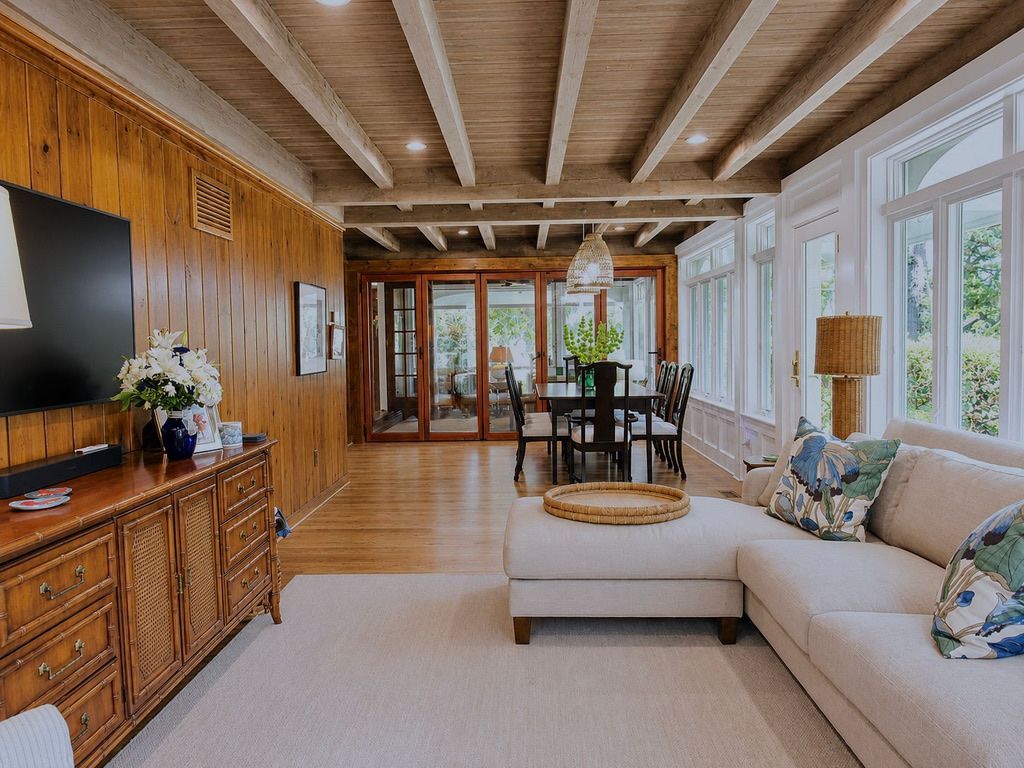
5. Interior Selections and Finishes
Interior selections are one of the areas where custom-home budgets can vary significantly.
These selections may include:
- Cabinetry
- Countertops
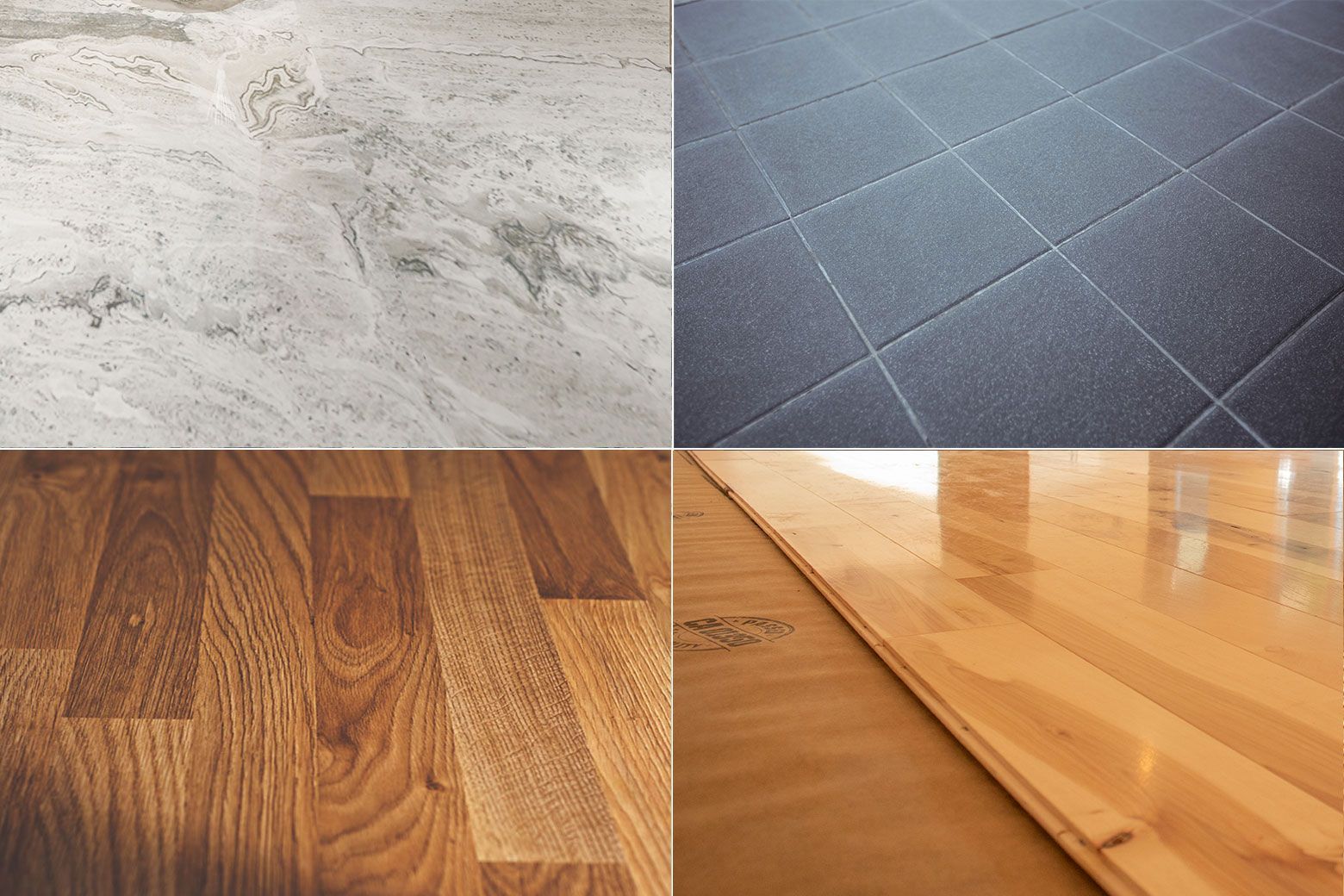
- Flooring
- Tile
- Plumbing fixtures
- Lighting
- Appliances
- Interior doors
- Hardware
- Custom millwork and trim
- Fireplace materials and details
A thoughtfully designed home doesn't necessarily require choosing the most expensive option in every category. The goal is to establish priorities and make selections that work together with the homeowner's expectations and overall budget.
6. Outdoor Living
Outdoor living is an important part of many homes along the Delaware coast.
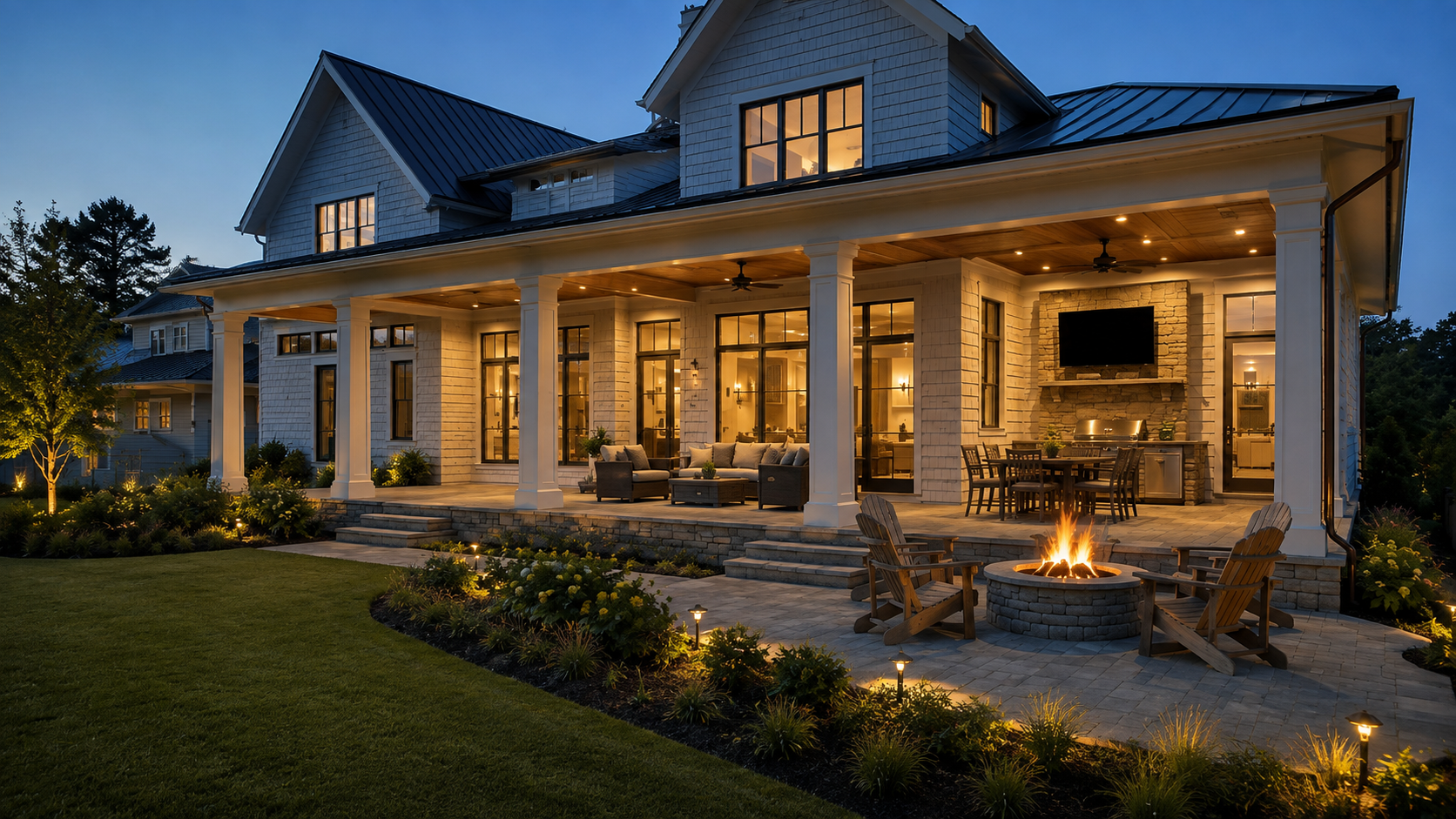
Covered porches, screened porches, decks, outdoor kitchens, fireplaces, pools, hardscaping, landscaping, and other exterior features can become a significant part of the overall project.
If these features are important to you, we recommend considering them early rather than treating them as an afterthought once the home is under construction.
7. Mechanical Systems and Home Performance
Many of the most important components of a well-built home aren't the things you immediately see when you walk through the front door.
HVAC systems, insulation, electrical requirements, plumbing systems, generators, smart-home technology, and other performance-related features all contribute to the overall construction budget.
These decisions can also affect how the home performs, feels, and functions long after construction is complete.
Why Can Two Custom Homes of the Same Size Cost So Differently?
Square footage alone doesn't tell the complete story.
Consider two 4,000-square-foot homes. One may have relatively simple architecture and a straightforward finish package. The other may include complex rooflines, large expanses of glass, custom cabinetry and millwork, extensive tile, specialty plumbing fixtures, premium appliances, covered outdoor living areas, and detailed exterior finishes.
Although the homes have identical square footage, they are very different homes to build.
This is why we look at the complete scope of a project rather than relying on a generalized cost-per-square-foot number.
Questions to Consider When Establishing Your Custom Home Budget
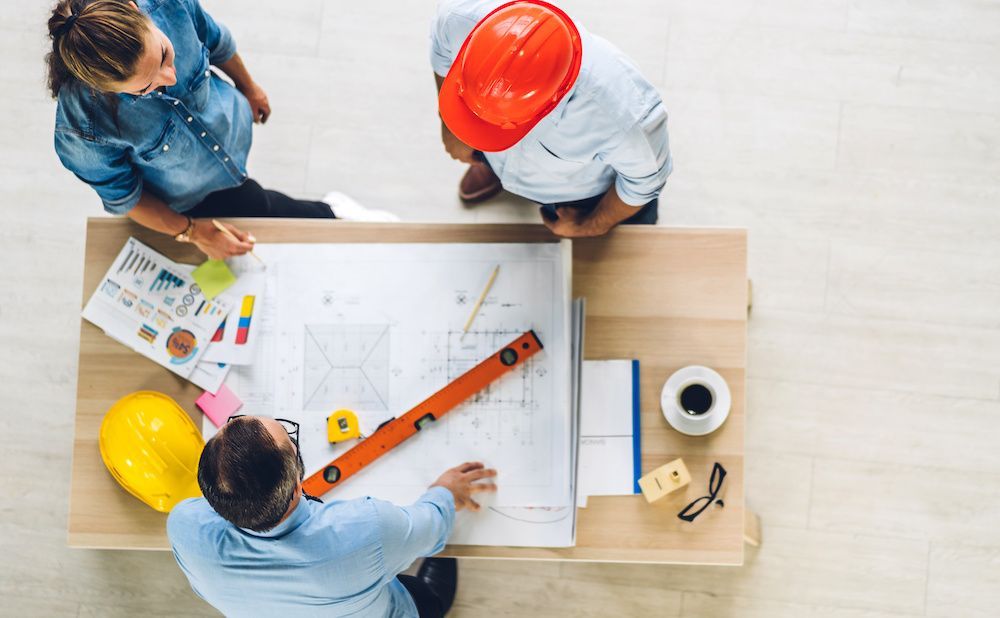
Before establishing a construction budget, it helps to think about the entire project rather than the house alone.
Consider questions such as:
- Do you already own the building lot?
- Will an existing structure need to be demolished?
- Are your architectural plans complete?
- Which features are priorities and which are wish-list items?
- What level of interior finishes are you expecting?
- Will your project include a pool or extensive outdoor living?
- Are landscaping and hardscaping included in your overall budget?
- Are furnishings, window treatments, and other post-construction expenses being budgeted separately?
The earlier these conversations take place, the easier it is to make informed decisions as the design and construction process moves forward.
When Should You Talk to a Custom Home Builder About Your Budget?
Ideally, conversations about budget should begin early in the planning and design process.
An experienced builder can help identify construction considerations that may affect the budget before plans and selections progress too far. Early communication among the homeowner, architect, designer, and builder can also help everyone understand the project's priorities and expectations.
Should You Buy a Lot Before Talking to a Builder?
You don't necessarily need to own a property before beginning a conversation with a custom home builder.
If you're considering purchasing land for a future custom home, involving your builder early can provide another perspective on the property and some of the construction considerations that may affect your plans.
A beautiful lot can still have site conditions, restrictions, access issues, drainage considerations, or other factors worth understanding before you finalize your plans.
Is Building Near the Delaware Coast Different?
It can be.
Every property is unique, but building along the Delaware coast may introduce additional considerations involving exposure, drainage, flood-zone requirements, foundations, exterior materials, windows, doors, and other building components.
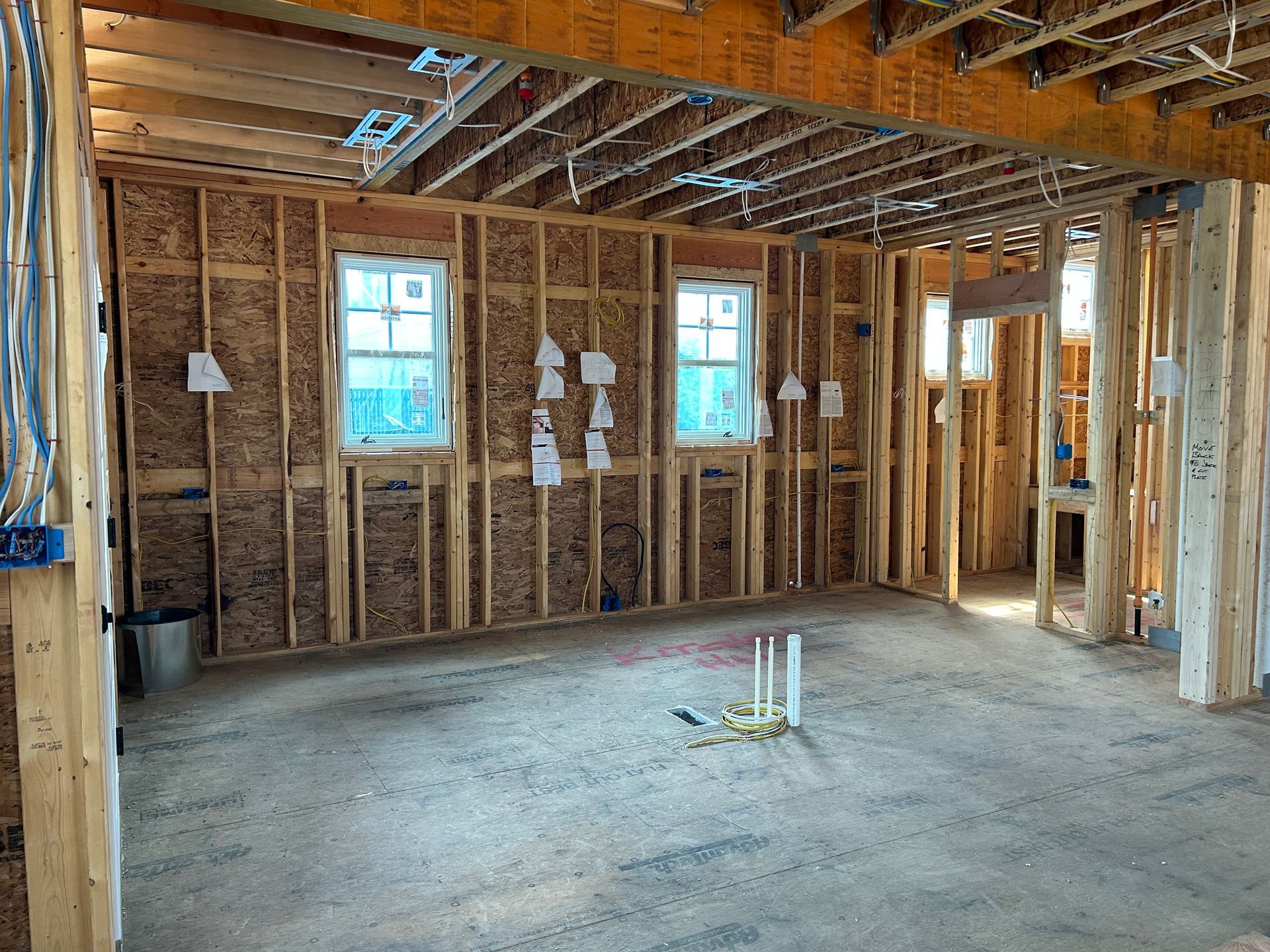
Experience with coastal construction can be particularly valuable because many of these decisions affect areas of the home that will eventually be hidden behind the finished surfaces.
Building a Custom Home in Lewes, Delaware
At Oak Construction Company, we've been building along the Delaware coast since 1980.
As a family-owned company now spanning three generations, we've learned that successful custom homes begin long before construction starts. Careful planning, detailed documentation, thoughtful selections, communication, and an understanding of how all the pieces of a home work together are essential throughout the process.
We also believe building codes establish a minimum standard, not necessarily the standard every home should be built to. Our approach is to consider how construction decisions will affect the quality, durability, performance, and finished details of the home for years to come.